The 2026 Ultimate Guide to Pickleball Paddle Maintenance: Clean, Repair & Replace
Your Paddle is Your Partner
Hey Pickleballers! As a seasoned pickleball equipment expert, I know that your paddle is more than just a piece of equipment—it’s an extension of your arm on the court. It’s the tool that delivers your dinks, drives your spins, and blocks those hard slams.
However, like any high-performance gear, pickleball paddles are consumables. They wear down, get dirty, and eventually lose their “pop.”
But here is the good news: with proper pickleball paddle maintenance, you can significantly extend your paddle’s lifespan and keep it performing at its peak.
“A well-maintained paddle spins better, feels better, and lasts longer.”
In this comprehensive 2026 guide, we will consolidate everything you need to know about caring for your paddle. We’ll cover the three pillars of paddle health:
- Cleaning (Daily Care)
- Repairing (DIY Fixes)
- Replacing (Knowing When to Let Go)
Table of Pickleball Paddle Maintenance Guide
Chapter 1: Daily Cleaning & Hygiene (Restore Your Spin)
Have you noticed that your paddle feels slippery after a few weeks of play? Or maybe your topspin drives are sailing long? This isn’t necessarily a skill issue—it’s likely a dirty paddle.
Why Cleaning is Critical
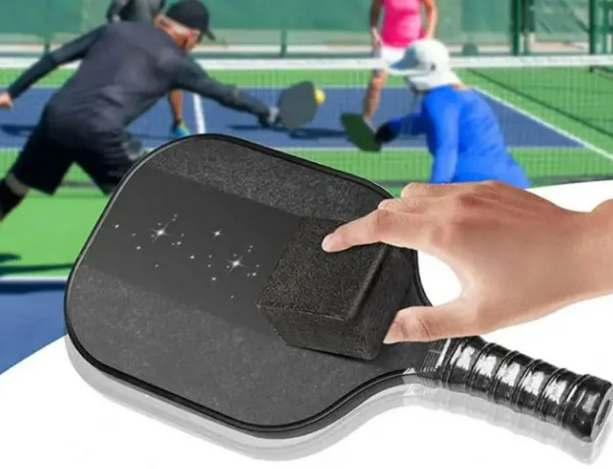
When you play, your paddle accumulates a microscopic layer of dirt, sweat, and most importantly, ball residue (plastic dust). This residue clogs the gritty texture of your paddle face, smoothing it out and killing your spin potential.
- Remove Residue: Cleaning removes the plastic buildup that fills the grooves of your paddle.
- Restore Friction: Especially for raw carbon fiber paddles, keeping the weave clean is the only way to maintain that “gritty” feel that grabs the ball.
The “Golden Rule” of Cleaning
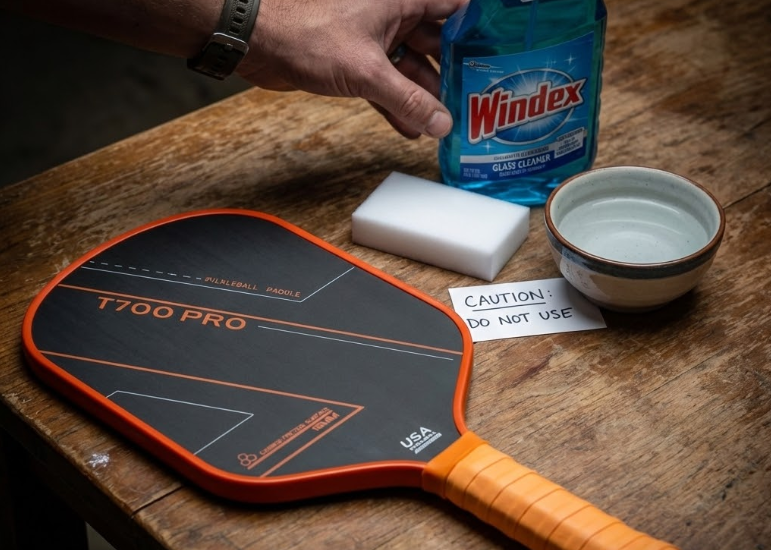
Don’t overcomplicate it. You don’t need expensive chemicals. In fact, harsh glass cleaners can damage the resin coating.
- For Carbon Fiber: Use a Rubber Paddle Eraser. It works like magic to physically rub away the plastic fibers stuck in the weave without damaging the surface.
- For General Cleaning: A damp microfiber cloth (water only!) is your best friend. Wipe off sweat and dirt immediately after play.
Expert Tip: “I carry a paddle eraser in my bag and use it after every match. It takes 30 seconds and keeps my spin consistent game after game.”
Deep Dive: Want the step-by-step tutorial on using an eraser vs. water? Read our full guide: [How to Clean a Pickleball Paddle: Restore Spin & Extend Life].
Chapter 2: DIY Repairs for Common Issues (Fix It Yourself)
Paddles take a beating. They hit the ground, they hit your partner’s paddle, and sometimes they hit your leg. The most common casualty of this abuse is the edge guard.
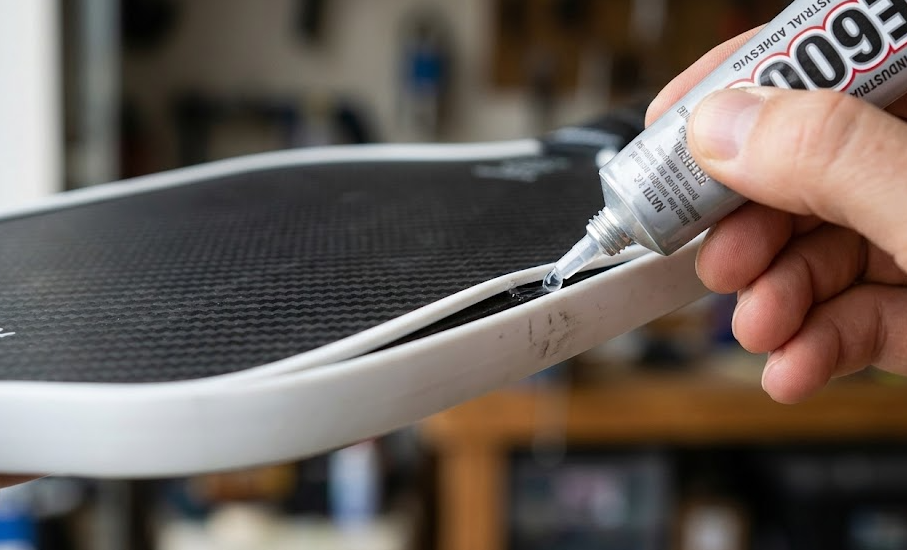
The Loose Edge Guard Problem
The edge guard acts as the bumper for your paddle’s honeycomb core.
If it starts to peel away or crack, you might hear an annoying “buzzing” sound when you hit the ball. This vibration kills your touch and can lead to internal damage.
The Best Glue for the Job
If you find your edge guard coming loose, DO NOT use Super Glue (cyanoacrylate).
Super glue is brittle; the vibration of hitting a ball will cause it to crack immediately.
Recommended: Use E6000 Craft Adhesive. It is strong, waterproof, and most importantly, flexible. It moves with the paddle, absorbing shock.
The Process:
- Clean the gap.
- Apply a small bead of E6000.
- Clamp it tight with painter’s tape for 24 hours.
Deep Dive: Need a visual guide on how to glue it back perfectly? Follow our tutorial: [How to Fix a Loose Pickleball Paddle Edge Guard (DIY Repair Guide)].
Chapter 3: When to Say Goodbye (The Replacement Strategy)
It’s hard to let go of a paddle you love, but playing with “dead” equipment is a recipe for frustration and injury (hello, tennis elbow!).
The 3 Signs Your Paddle is “Dead”
How do you know if it’s time to upgrade? Look for these fatal symptoms:
- Dead Spots: Press your thumb into the center of the face. If it feels soft, spongy, or “mushy” compared to the edges, the honeycomb core has collapsed. Your shots will lack power and consistency.
- The Rattle: If you shake your paddle and it sounds like a maraca, pieces of the core or handle have broken loose inside.
- Permanent Spin Loss: If you’ve cleaned your paddle thoroughly but the face still feels smooth as glass, the texture is worn out. You can’t fix this—it’s time for a new one.
Expert Insight: “Don’t force yourself to play with a dead paddle. The lack of power will make you swing harder, putting unnecessary stress on your arm. Replacing your paddle is cheaper than physical therapy.”
Deep Dive: Not sure if your paddle is truly dead? Verify with our checklist: [When to Replace Your Pickleball Paddle: 6 Signs It’s “Dead”].
Chapter 4: Prevention is Better Than Cure (Best Practices)
Want your new paddle to last 2 years instead of 6 months? Follow these simple habits.
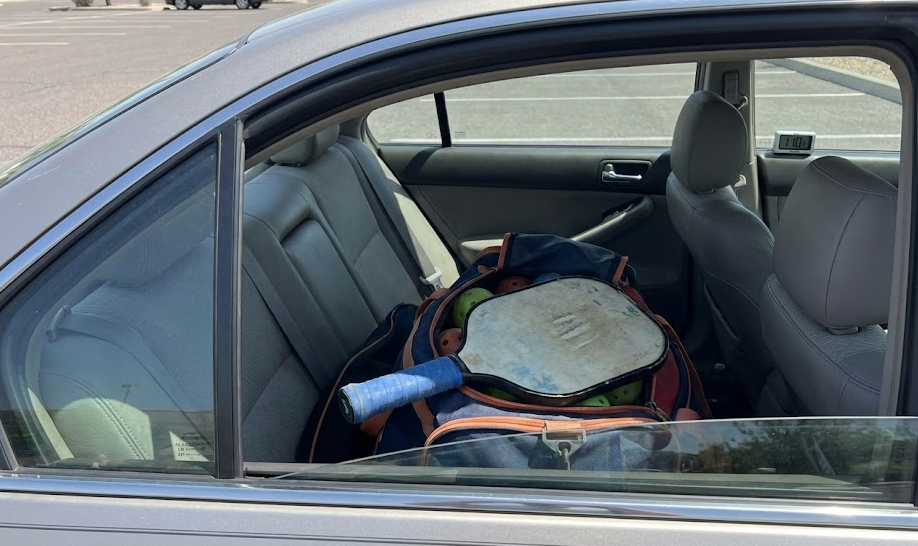
- Avoid Extreme Temperatures: Never leave your paddle in a hot car! Heat softens the glue holding the core together, leading to delamination (bubbles) and warped faces. Cold makes the core brittle.
- Don’t Scoop the Ball: We all do it, but using your paddle to scrape the ball off the court shreds the edge guard. Bend your knees and pick it up!
- Use Edge Tape: Think of it as a phone case. A $10 roll of Edge Guard Tape can save your $150 paddle from concrete scrapes.
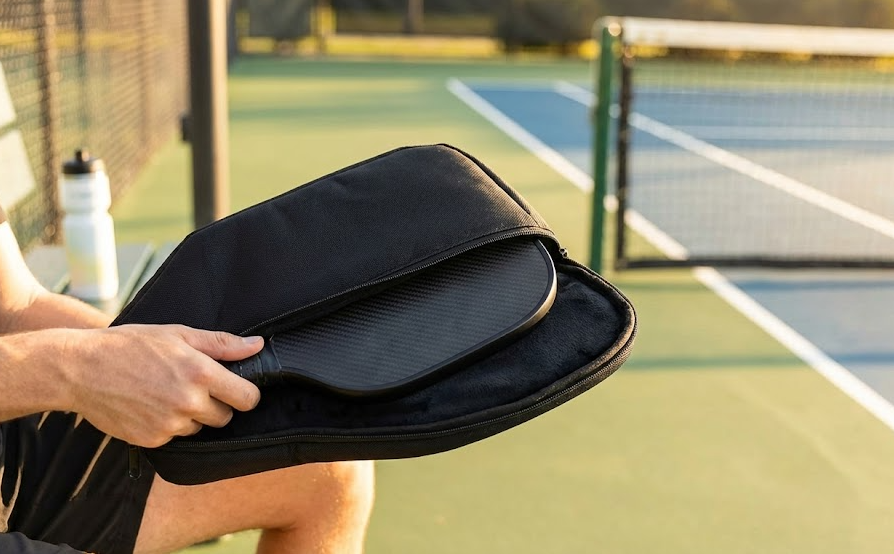
- Invest in a Cover: A neoprene cover protects the face from getting scratched by your keys or water bottle in your gym bag.
Conclusion: Protect Your Investment
Maintenance isn’t a chore; it’s part of the game. By keeping your paddle clean, fixing minor issues promptly, and knowing when to retire it, you ensure that every time you step on the court, your equipment is ready to perform.
If your current paddle is showing signs of core failure or permanent wear, it might be time to upgrade. Explore our latest collection of our pickleball paddles, designed with reinforced edges and long-lasting grit to withstand the toughest play.
Keep it clean, keep it safe, and see you on the court!
“Paddle too old to fix? Check our [Pickleball Paddles Buying Guide] for a replacement.”
Frequently Asked Questions About Pickleball Paddle Maintenance

About Jason Simmons
Jason S. Simmons has been obsessively dissecting racket sports equipment for over a decade. After transitioning from competitive tennis to Pickleball in 2020, Jason realized the market was flooded with confusing marketing jargon and overpriced gear.
His Mission: To help players—especially seniors and those recovering from Lateral Epicondylitis (Tennis Elbow)—find the perfect paddle setup that balances power, control, and health.
Why Trust Jason?
- Material Science Geek: He doesn't just play; he analyzes. From the weave patterns of Toray T700 Raw Carbon Fiber to the density of Polypropylene Honeycomb Cores, Jason understands the physics behind the "pop."
- Data-Driven Testing: Jason has play-tested over 50+ models, evaluating them on Swing Weight, Twist Weight, and Dwell Time rather than just subjective "feel."
- On the Court: Based in the US, Jason actively competes in regional 4.5+ level leagues. When he isn't drilling his third-shot drops, he is likely inspecting paddles for Core Crushing or Delamination issues.
Jason believes that "A dead paddle kills your game," and is dedicated to teaching players how to maintain their grit surface for peak performance.
View all posts by Jason Simmons