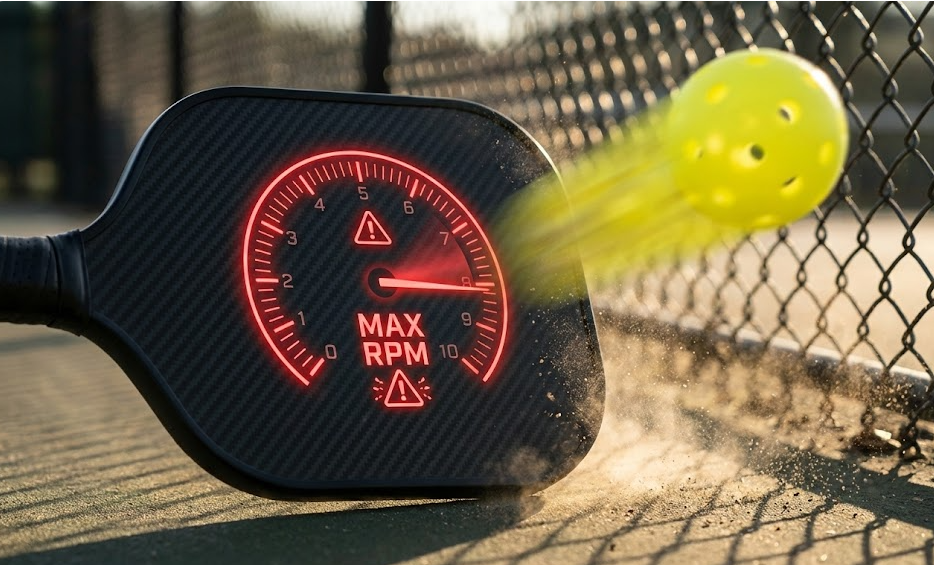
From 0.0 to 4.0: My Pickleball Paddle Evolution (And How to Avoid the Mistakes I Made)
To every beginner paralyzed by choice, staring blankly at a wall of fifty different paddles—I feel you. I used to be you.
From my first curious swing to falling in love with the social strategy of the game and now grinding third-shot drops in 4.0+ leagues, I have cycled through countless pickleball paddles.
I’ve also paid plenty of “tuition fees” in the form of bad purchases.
Today, I want to take off my “equipment geek” hat and talk to you like an old friend. This is the story of my evolution from a 0.0 to a 4.0 player. It’s not a brag sheet; it’s a practical “Avoid-the-Pitfalls Guide” to help you choose with less anxiety and more confidence.
Phase 1 (0.0 – 2.0): The “Sweet Trap” of the Beginner Phase
My first paddle? It was a loaner, and I didn’t care what it was. I just wanted to play.
But within minutes, I was confused. The feedback felt like hitting a ball with a pillow—the ball flew out, but I had zero clue where it was going.
The vibration shot straight up my wrist, the sweet spot was microscopic, and my arm throbbed after one match. I later learned that many cheap starter paddles use thin cores and low-grade materials with terrible shock absorption.
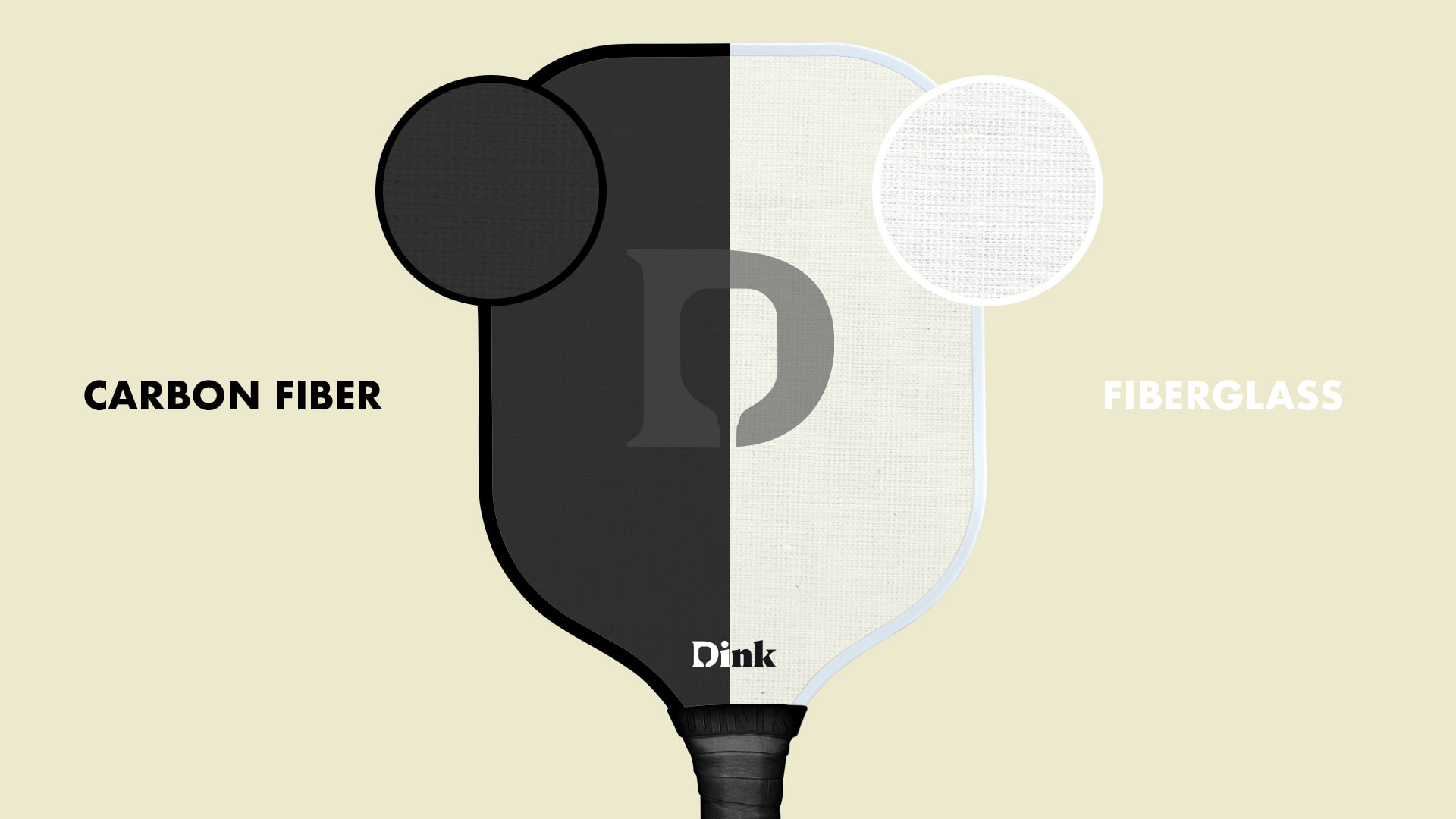
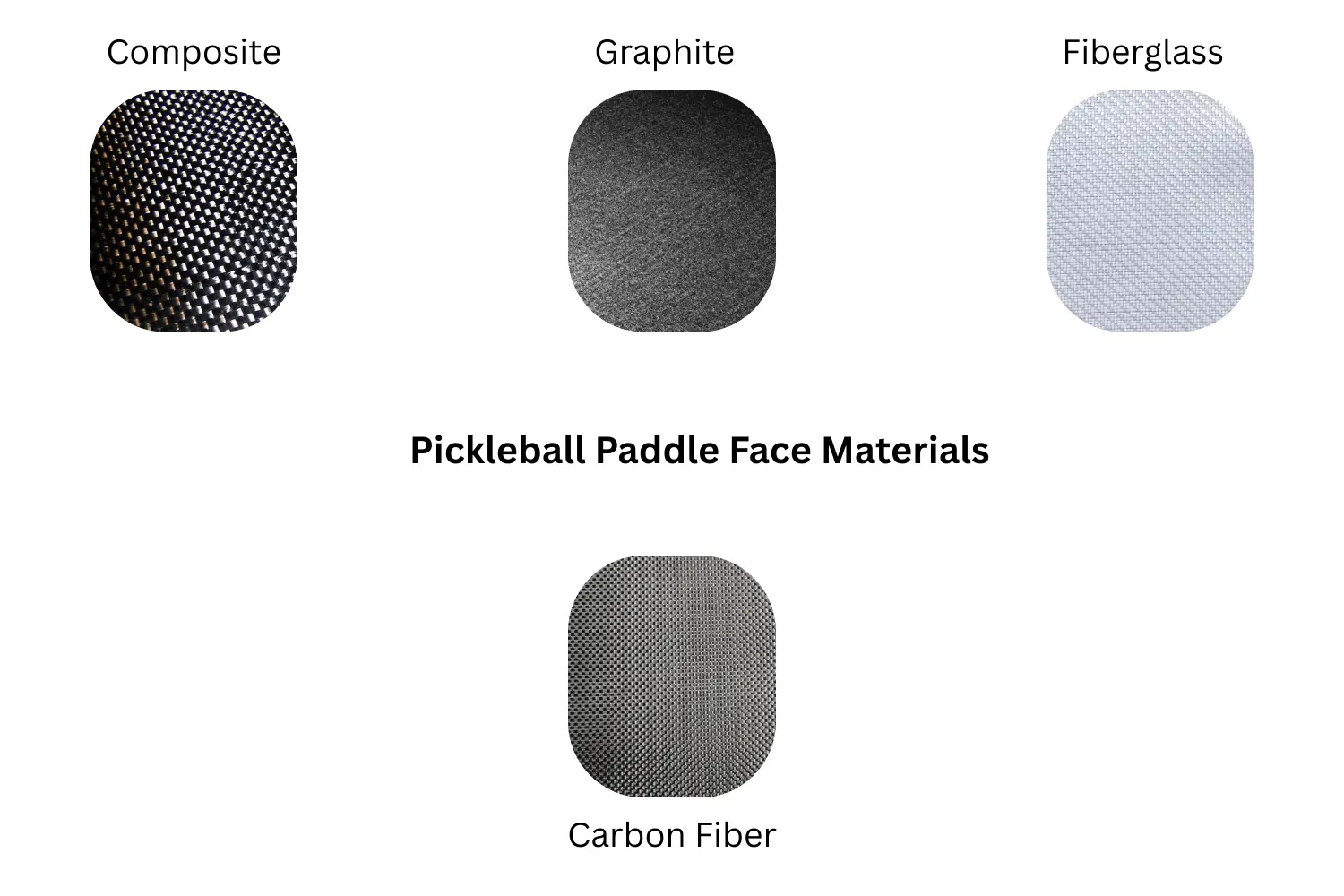
So, I bought my first real paddle: a fiberglass face.
At the time, this decision “saved” me. Fiberglass is incredibly elastic, acting like a trampoline. Even if I missed the sweet spot, the ball would still pop over the net.
For a beginner with unstable mechanics, it was an addictive “power crutch.”
But the problem soon appeared: my ball speed went up, but my control vanished. When I wanted to hit a soft kitchen-line dink or a tricky side-spin shot, the ball would pop up like a wild horse.
Jason’s Lesson: Fiberglass gives you power and confidence early on, but it struggles to give you the “growth” you need for advanced play.
Phase 2 (2.0 – 3.0): The Awakening—From “Hitting” to “Controlling”
In this phase, I wasn’t satisfied with just “getting the ball over.” I wanted to hit drops with backspin; I wanted to dominate dink battles; I wanted to keep my opponents guessing.
Fiberglass couldn’t keep up with my ambition. I needed clear, precise feedback. I needed to feel the ball “bite.”
The turning point was my first encounter with a [T700 Raw Carbon Fiber] face.
I will never forget that feeling. The ball didn’t just “bounce” off; it felt like it was momentarily “caught” by the face and then released exactly where I aimed.
The gritty, matte texture of the Raw Carbon provided insane friction, making spin effortless.
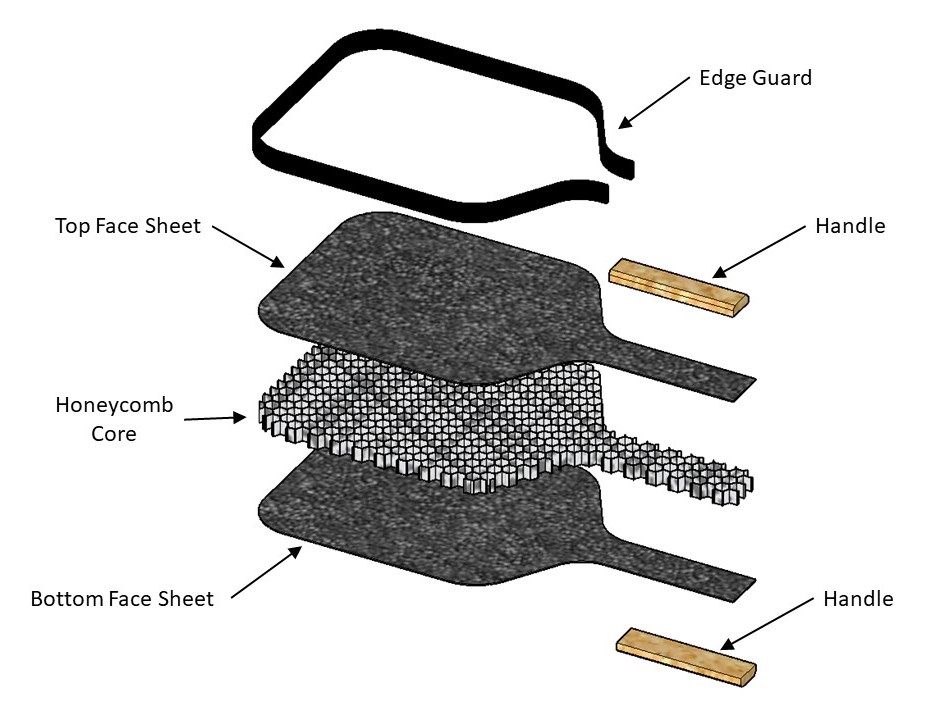
More importantly, I started digging into core thickness. I eventually settled on a 16 mm polymer honeycomb core.
Why so thick? Because a thick core acts like a super-absorbent sponge. The sweet spot exploded in size, the feel became plush and stable, and the vibration disappeared—
a lifesaver for my wrist, which had been aching from thin power paddles.
Core Cheat Sheet: Avoiding Bad Buys
| Core Type | Characteristics |
|---|---|
| Polymer Honeycomb Core: | Soft, quiet, shock-absorbing, and high forgiveness. The best choice for 95% of players. |
| Nomex Core: | Loud, hard feedback, and huge power, but harsh vibration. Only for old-school power hitters. |
| Aluminum Core: | Heavy, dents easily, poor control. Beginners, stay away. |
I realized that when chasing technical improvement, a 16 mm carbon fiber paddle is a much smarter investment than blindly chasing “high power.”
Phase 3 (3.0 – 4.0): The Pursuit of Detail
Approaching the 4.0 level, my pickiness about paddles became “microscopic.” Total weight? That’s just a reference number. The real game-changer is [Swing Weight].
Understanding Swing Weight:
- High Swing Weight (Head Heavy): Like a hammer. Great for baseline smashes, but slow hands at the net.
- Low Swing Weight (Head Light): Like a scalpel. Fast hands for volleys, but slightly less stability on blocks.
I now prefer a standard/wide body shape with a medium-to-low swing weight. This perfectly suits my hybrid playstyle (balancing defense and counterattacks).
The Critical Detail: Grip Size
There is one more fatal detail countless players ignore: [Grip Size].
I used to play with a grip that was too thick just because it came that way. The result? My wrist locked up on backhand rolls, and I couldn’t generate snap.
Once I measured my hand properly (using the “Index Finger Test”) and applied a tacky overgrip, my control improved instantly.
Other Key Checks:
- Surface Texture: I look for that gritty raw carbon feel for maximum spin.
- Edge Guard: Outdoor courts are rough. A quality edge guard saves your core from getting crushed when you scrape for a low ball.
Final Thoughts: My Recommendation for You
Looking back on this journey, I realized there is no “best paddle in the universe,” only the paddle that fits your current stage.
If you are moving from beginner to intermediate and want to find that sweet spot between power and precision, here is my “Graduation Setup”:
- T700 Raw Carbon Fiber Face
- 16 mm Polymer Core
- Standard Shape
This combination protects your wrist and elbow while allowing you to develop professional-level control and spin.
Pickleball paddles are just extensions of your arm; real progress comes from passion and persistence. Stop stressing over too many options. Pick a paddle that gives you confidence the moment you grip it, then get out there and enjoy every shot.
See you at the net!
Frequently Asked Questions About Pickleball Paddle Evolution
Why should I switch from a fiberglass to a carbon fiber paddle?
Is a 16mm core better than a 13mm core?
How do I know if my grip size is correct?
What is the best paddle setup for a 3.5 to 4.0 player?

About Jason Simmons
Jason S. Simmons has been obsessively dissecting racket sports equipment for over a decade. After transitioning from competitive tennis to Pickleball in 2020, Jason realized the market was flooded with confusing marketing jargon and overpriced gear.
His Mission: To help players—especially seniors and those recovering from Lateral Epicondylitis (Tennis Elbow)—find the perfect paddle setup that balances power, control, and health.
Why Trust Jason?
- Material Science Geek: He doesn't just play; he analyzes. From the weave patterns of Toray T700 Raw Carbon Fiber to the density of Polypropylene Honeycomb Cores, Jason understands the physics behind the "pop."
- Data-Driven Testing: Jason has play-tested over 50+ models, evaluating them on Swing Weight, Twist Weight, and Dwell Time rather than just subjective "feel."
- On the Court: Based in the US, Jason actively competes in regional 4.5+ level leagues. When he isn't drilling his third-shot drops, he is likely inspecting paddles for Core Crushing or Delamination issues.
Jason believes that "A dead paddle kills your game," and is dedicated to teaching players how to maintain their grit surface for peak performance.
View all posts by Jason Simmons