Buying a Pickleball paddle for an elder? Avoid these 3 fatal mistakes (not just weight issues).
Hey fellow pickleball enthusiasts! This is Jason, your pickleball equipment expert. Recently, I’ve noticed a particularly heartwarming trend: many friends want to give their retired parents or elders a special gift—a pickleball paddle. Seeing their seniors enjoy the sport and stay active is truly heartwarming. However, when choosing a paddle, I’ve found that people often fall into some misconceptions, doing more harm than good, and potentially forcing their elders to give up the sport due to pain.
The best gift for elders isn’t the most expensive paddle, but one that allows them to play without pain. Today, from the perspective of a pickleball equipment expert, I’ll combine principles of physics with my practical experience to reveal three common misconceptions about choosing a paddle and provide practical solutions to ensure your gift truly brings health and happiness.
1. Myth 1: Falling into the “lightweight” trap (overly concerned about weight)
paddle;Have you ever thought, “My mom’s wrists are weak, so let’s buy her a 7.2-ounce ultralight paddle, it’ll be so much easier!”? It sounds reasonable, but in reality, it’s a fatal mistake.
The truth: Physics tells you that an overly light paddle may cause more damage to your joints.
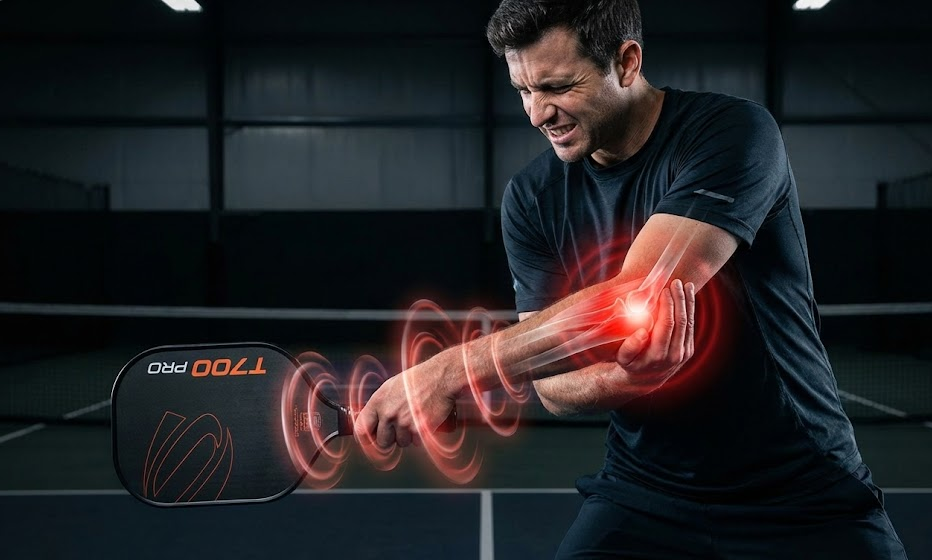
pickleballVibration and Impact: Based on my testing and principles of physics, the smaller the mass of an object, the greater its vibration and recoil force when subjected to the same impact. The ultralight Pickleball paddle has very limited ability to absorb vibration at the moment of impact. This means that the impact of each shot is transmitted more directly to the wrist, elbow, and shoulder joints of the elderly. For seniors who may already have arthritis or tendinitis, this is a nightmare, easily leading to tennis elbow or shoulder pain.
Stability and Power Requirements: Another problem with lightweight paddles is insufficient stability. When older players use a light paddle to receive a heavy shot from their opponent, the paddle is easily “pushed away,” leading to inconsistent shots. In order to return the ball effectively, older players will unconsciously swing the paddle more forcefully, even compensating with their wrists, which undoubtedly increases the burden on their joints and muscles, leading to fatigue and injury.
Solution: Select the “Goldilocks Zone”—Midweight.
My prescription: Choose a midweight paddle that weighs around 7.8 – 8.0 ounces (oz).
pickleball’sThis weight range is in Pickleball’s “Goldilocks zone”—just right. It is:
- Heavy enough: It can effectively absorb the vibration and impact when hitting the ball, protecting the joints of the elderly.
- enough soLight enough: so that it won’t feel too bulky for older people, causing shoulder fatigue or affecting swing speed.
In my experience, I’ve seen countless seniors relieve their joint pain by switching from ultralight paddles to medium-weight paddles. This change allows them to control the ball more easily and steadily on the court, truly enjoying the game instead of enduring pain afterward.
2. Myth 2: Making the mistake of using a “thin handle” (Arthritis warning!)
Another common misconception is that the thinner the handle, the easier it is to grip, or that older people with small hands should choose a thin handle. This is another trap that can easily lead to joint problems.
grip.”The truth: The handle is too thin, resulting in a “death grip”.
When a paddle handle is too thin, our hands instinctively grip the paddle harder to gain stability. This excessive “death grip” can lead to:
- Exacerbating pain from arthritis and tendinitis: Prolonged gripping puts the muscles and tendons of the hands, wrists, and forearms in a state of high tension, which can easily trigger or aggravate inflammation.
- Affects ball control: Overly tense hand muscles can reduce finger dexterity and ball sensitivity, affecting the accuracy of the shot.
Solution: Standard-sized handle + thickened overgrip
My prescription: Choose a standard-sized handle and wrap it with an extra-thick overgrip.
A slightly thicker handle allows older people to grip the paddle more comfortably, reducing unnecessary muscle tension.
Thickened overgrip: Not only does it provide extra cushioning and comfort, but it also effectively absorbs sweat and prevents your hands from slipping.
Throughout my coaching career, I have frequently recommended this combination to players experiencing hand discomfort. Simply adjusting the handle’s thickness and comfort can significantly reduce stress on the hands and forearms, allowing them to remain relaxed even during long matches.
3. Misconception 3: Pursuing “power” rather than “forgiveness” (strength of the paddle core is key!)
Many children may be misled by claims that “thin paddles have more power” or “fiberglass paddles are better for attacking” when choosing a paddle, thinking that this will help their elders “leverage their strength.” However, for elders, margin for error and comfort are far more important than maximum power.
is, thinThe truth is: thin paddles have low tolerance for error, and fiberglass paddles feel stiff.
13 mmThin paddles and sweet spot: Thin paddles (such as 13mm or even thinner) usually have a smaller sweet spot and a harder feel when hitting the ball. Older players may have slightly slower reaction times and are more likely to hit the ball outside the sweet spot, resulting in a strong vibration and a higher error rate. This discomfort can quickly dampen their enthusiasm for playing.
Fiberglass: While some fiberglass paddles can provide good power, their shock absorption and damping effects are often not as good as those of polymer cores. They also feel relatively harder and are not good for the joints of the elderly.
Solution: 16mm polymer honeycomb core—“pillow-like” softness and huge sweet spots
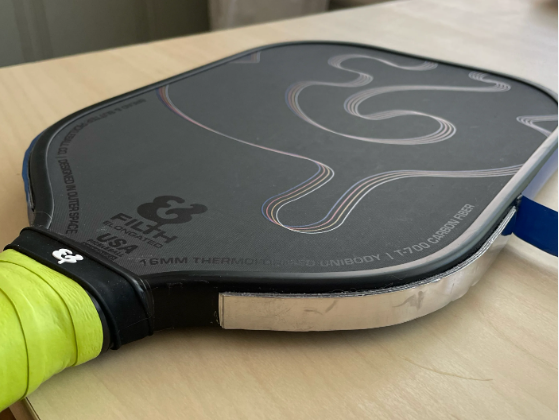
My prescription: without a doubt, choose a paddle with a 16 mm thick polymer honeycomb core.
Ultimate softness and shock absorption: The 16 mm polymer core acts like a soft pillow, absorbing the impact of the shot to a minimum and providing unparalleled protection for your elbows and shoulders.
Large sweet spot and high margin for error: Thicker paddles typically have a larger sweet spot. This means that even if an older player’s hitting point is slightly off-center, the paddle provides enough elasticity and stability to allow the ball to easily clear the net. This greatly reduces the frustration of mishits and boosts their confidence.
Quieter Shots: Polymer core paddles typically produce significantly less noise when hitting the ball.

About Jason Simmons
Jason S. Simmons has been obsessively dissecting racket sports equipment for over a decade. After transitioning from competitive tennis to Pickleball in 2020, Jason realized the market was flooded with confusing marketing jargon and overpriced gear.
His Mission: To help players—especially seniors and those recovering from Lateral Epicondylitis (Tennis Elbow)—find the perfect paddle setup that balances power, control, and health.
Why Trust Jason?
- Material Science Geek: He doesn't just play; he analyzes. From the weave patterns of Toray T700 Raw Carbon Fiber to the density of Polypropylene Honeycomb Cores, Jason understands the physics behind the "pop."
- Data-Driven Testing: Jason has play-tested over 50+ models, evaluating them on Swing Weight, Twist Weight, and Dwell Time rather than just subjective "feel."
- On the Court: Based in the US, Jason actively competes in regional 4.5+ level leagues. When he isn't drilling his third-shot drops, he is likely inspecting paddles for Core Crushing or Delamination issues.
Jason believes that "A dead paddle kills your game," and is dedicated to teaching players how to maintain their grit surface for peak performance.
View all posts by Jason Simmons