7 Pickleball paddle marketing gimmicks you must avoid in 2026
Hey fellow Pickleball enthusiasts! It’s your old friend Jason. After years of playing on the court, testing countless paddles, and seeing so many players struggle with choosing the right one, it’s easy to get overwhelmed. Especially when you open an e-commerce website and are bombarded with terms like “aerospace-grade materials,” “quantum technology,” and “nano-core,” doesn’t it make you feel like you can’t buy a good paddle without spending hundreds of dollars?
To be honest, 99% of these advertisements are nonsense.
The manufacturing threshold for Pickleball paddles isn’t as high as you might imagine. Many so-called “cutting-edge technologies” are simply a way to get you to willingly spend an extra $100 or more. I’ve found that many brands simply change their names or use some cool-looking but ultimately useless designs to sell paddles that cost only a few dozen dollars for exorbitant prices. As an expert who knows the industry inside story and has personally tested countless paddles, today I’m not going to tell you which paddle to buy, but rather have a candid conversation with you about 7 marketing gimmicks you should absolutely avoid buying.
Ready? Let’s tear down the “Wild West” veil of Pickleball paddle marketing and save you from unnecessary “Brand Tax“!
I. Trap #1: Spray Paint Texture Scam (The Truth About “Ultimate Spin Coating”)
You might see descriptions like “using the latest technology, providing a surface coating for ultimate spin” in many paddle advertisements. Manufacturers emphasize that their paddles can generate amazing spin on the ball.
- Lie: “We possess a unique, ultimate spin coating that makes your serves and slices unparalleled!”
- The truth: Don’t believe it! Most of the time, it’s just a layer of sandpaper paint. Yes, just like the sandpaper you use for home renovations, sprayed onto the paddle surface. In my numerous tests, I found that paddles with this spray-painted texture often become “bald” after just 10 games, or even fewer. Spin effect drops drastically, and paddle performance is significantly reduced.
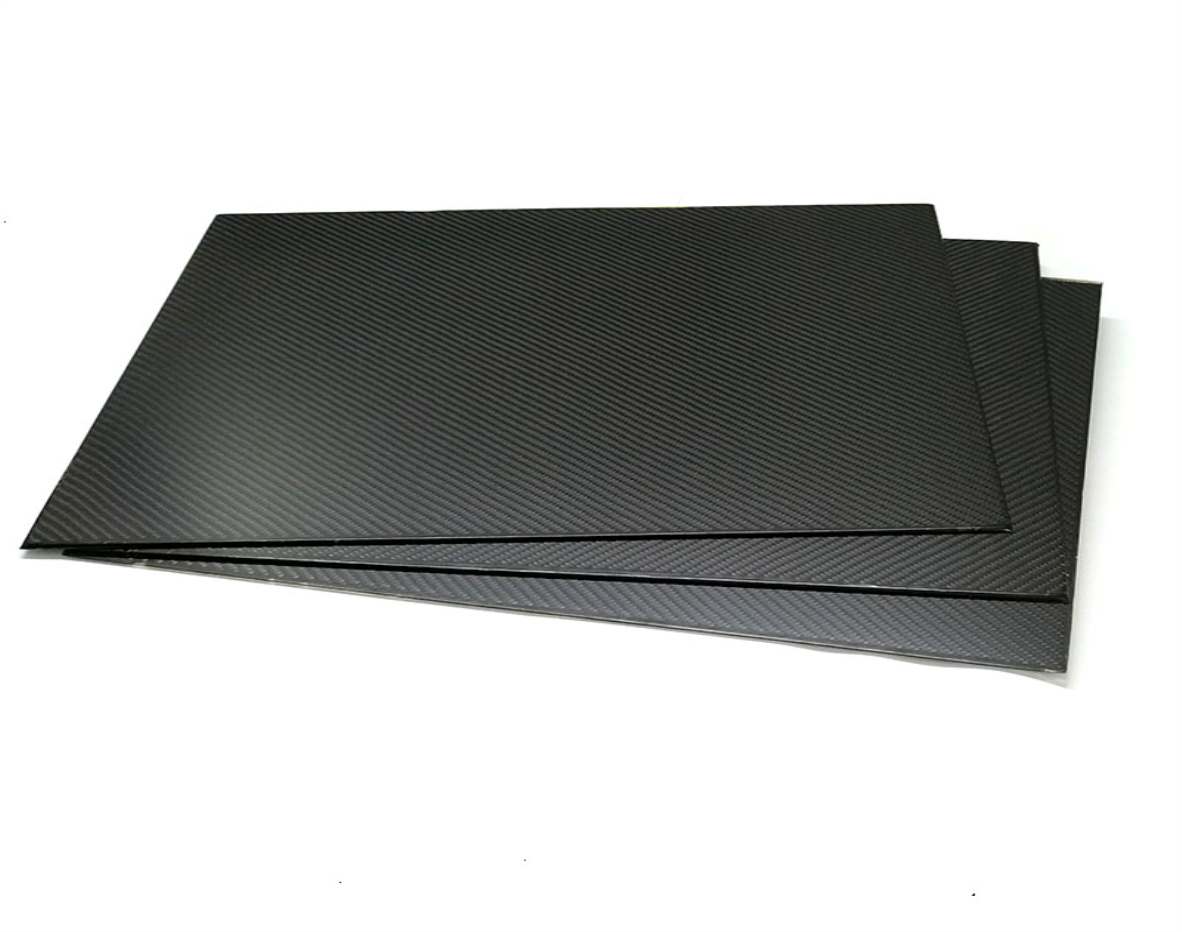
- In-depth analysis: True spin comes from the Raw Carbon Fiber on the paddle’s surface. Especially with materials like T700 Raw Carbon Fiber, its texture is naturally formed during the fiber weaving process, penetrating deep into the fabric. This structure provides durable and effective friction. Painted textures, on the other hand, are merely superficial; once worn, their effect disappears. Imagine one as the texture of a knitted sweater, and the other as a sweater sprayed with a glossy paint finish. Which lasts longer?
- Your approach: If you see terms like “Coated Surface” or “Applied Grit” in the advertising, scroll past them immediately. Look for paddles that are clearly labeled “Raw Carbon Fiber” or “Uncoated T700 Carbon Fiber.” These are the paddles that truly provide sustained spin and control.
II. Trap #2: The “Aerodynamics” of Randomly Creating Holes (Sacrificing Sweet Spot and Strength)
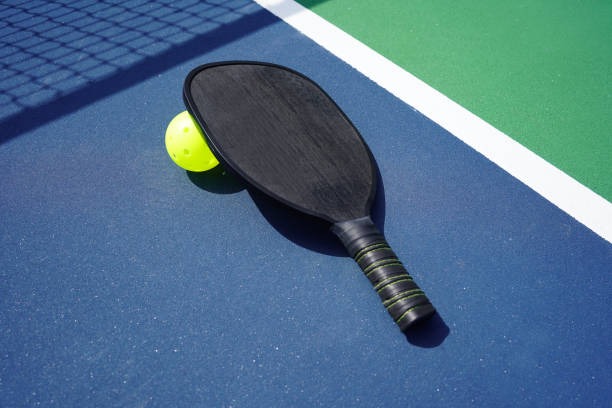
Some paddle designs include one or more holes in the paddle throat, claiming to increase swing speed and provide “aerodynamic advantages”.
Cheap paddles that claim to have “aerodynamic holes” often perform poorly in terms of consistency and have a significantly shorter lifespan than paddles with traditional designs. Unless you have in-depth knowledge of a particular brand’s design and trust its quality, avoid cheap paddles with holes.
Lie: “Our unique Power Hole design can increase your swing speed by 20%, making it easy to hit winning shots!”
The truth is: For a very small number of professional players, a throat hole might indeed provide a slight increase in swing speed under certain design conditions. However, for the vast majority of amateur players, this design, without rigorous engineering verification, often does more harm than good. It severely sacrifices the paddle’s sweet spot and structural strength.
In-depth analysis: The sweet spot of a Pickleball paddle is the area that provides the most stable feel and the best power feedback during a shot. Drilling a hole in the throat compromises the overall structural integrity of the paddle, leading to uneven vibration transmission and a reduced sweet spot. This means that even a slight deviation in your shot will result in a poor feel and a significant decrease in power. Worse still, I’ve seen too many counterfeit or poorly designed paddles with holes snap right at the hole after a powerful shot or accidental impact. Unless it’s a top-tier paddle that has undergone wind tunnel testing and structural mechanics optimization (usually quite expensive), it’s simply not worth risking a smaller sweet spot and paddle breakage for a tiny increase in swing speed.

III. Trap #3: The RPM Number Game (The Misleading “2000 RPM”)
Many brands like to advertise their paddles with a huge RPM (Revolutions Per Minute) figure, such as “Our paddles can generate an amazing 2000+ RPM of spin!”
Your approach: Don’t just look at the fancy RPM numbers. Focus more on the paddle’s thickness (16mm or more recommended) and surface material (Raw Carbon is the way to go). These are the core factors that truly help you improve spin and control.
Lie: “Higher RPM equals stronger spin and control, making you a spin master on the court!”
The truth is: While RPM numbers are important, they are not the only measure. As we analyzed before, high RPM without dwell time is uncontrollable. Many brands use extremely stiff paddle surfaces to achieve impressive RPM figures. Although such surfaces can generate high RPM in lab tests, in actual gameplay, the ball’s dwell time on the paddle surface is extremely short, making it impossible to effectively control the ball’s direction and landing point.
In-depth analysis: The thickness and material of a paddle are key factors in determining spin and control. A thicker paddle (e.g., 16mm or 19mm) typically means a longer dwell time, allowing the ball to stay on the paddle face longer, giving you more time to “wrap” the ball and apply effective spin and control. Meanwhile, the Raw Carbon Fiber surface provides friction while also offering a certain “softness,” allowing for better contact between the ball and the paddle face.
Fact: Surface textures (such as matte or rough coatings) can help enhance the spin of a paddle. But the key is whether this texture is a natural carbon fiber texture or an applied coating.
IV. Trap #4: The Ultralight Trap (The Price of “Light as a Feather”)
“Light as a feather, lightning fast!”—Doesn’t that sound tempting? Many brands heavily promote their ultralight paddles, claiming they allow for faster reactions and easier swings.
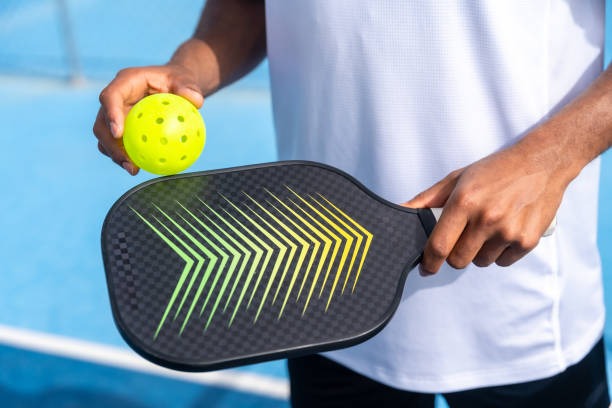
Your Actions: Unless you are a child or have a special physical condition, I strongly recommend against using paddles weighing less than 7.5 ounces (approximately 212 grams). For most adult players, a paddle weighing between 7.8 ounces and 8.4 ounces (approximately 220-238 grams) is a more balanced choice, providing sufficient power, stability, and comfort while effectively reducing the risk of injury.
Lie: “We are the lightest paddles, giving you unparalleled swing speed and agility!”
The truth: This could be a tennis elbow problem. Physics tells us that when one object (the ball) hits another (the paddle), if the paddle is too light, its ability to absorb impact is weakened, and most of the vibration is transmitted directly to your arm and wrist. Prolonged use can easily lead to tennis elbow or wrist strain.
In-depth analysis: Why do merchants like to sell lightweight items? The reason is simple:
Low transportation costs: Lightweight paddles mean lower logistics costs.
Less material used: A lightweight paddle usually means that less material is used, thus reducing manufacturing costs.
Beginner’s misconception: Beginners often think that it is easier to swing with a light paddle, but they overlook the importance of stability and power transfer.
Fact: Swing weight is key to determining the feel of a paddle. Heavier swing weight provides more power, while lighter swing weight helps with faster reaction and better control. But there’s a limit to how “light” it should be.
I found that paddles weighing less than 7.5 ounces (about 212 grams) lack sufficient “pressure” when hitting the ball, making the ball trajectory more prone to drifting, and significantly increasing the vibration feedback to the body.
V. Trap #5: The Mysterious Core (The Truth Behind “Exclusive Research and Development”)
“We’ve adopted our exclusively developed XX core technology, delivering an unprecedented feel when hitting the ball!” Are you often drawn in by descriptions like this?
- Lie: “Our paddle’s core technology is an exclusive patented technology, using aerospace-grade materials to give you unparalleled energy conduction!”
- The truth: If you take these paddles apart, you’ll find that 99% of the core is made of polymer honeycomb. Brands just like to give it fancy names, such as “Nomex-infused,” “Control-Core,” “Power-Core,” or “vibration-absorbing core,” etc.
- In-depth analysis: The polymer honeycomb core is currently the most mainstream and mature core technology in Pickleball paddles, providing excellent energy absorption and rebound balance. While the Nomex core also exists, it is generally stiffer and louder, and is less commonly used in modern paddles. The seller is simply playing word games, trying to get you to pay an extra $50 or more for this “exclusive” name.
- Fact: The polymer honeycomb core is more inclusive, helping to improve “elasticity” and increase the power of the shot without sacrificing control. The polymer core provides a softer feel, making it suitable for mid-range paddles that prioritize control.
- Your approach: Simply look for paddle cores made of Polypropylene Honeycomb. This is the industry standard and the choice of the vast majority of excellent paddles. Don’t pay extra for fancy “exclusive” names. Focus on the core thickness (e.g., 16mm or 19mm), as it has a much greater impact on the paddle’s feel and performance than the core’s “name.”
VI. Trap #6: Warranty Trap (Details of “Lifetime Warranty”)
“Our paddles come with a lifetime warranty!” Doesn’t that sound like peace of mind?
Recommendation: Don’t be misled by the phrase “lifetime warranty.” Understand the actual lifespan and wear characteristics of a paddle, choose a reasonably priced and reliable paddle, and replace it in a timely manner based on your usage.
Lie: “Buy our paddles and enjoy a lifetime worry-free warranty, so you’ll never have to worry about your paddles getting damaged again!”
The truth: Carefully read the details of the warranty terms (Fine Print)! I found that most “lifetime warranties” usually only cover “manufacturing defects” (such as the handle breaking under normal use, or the paddle face separating from the core), but not “normal wear and tear“, such as “dead core” or “surface wear”.
In-depth analysis: The “dead core” of Pickleball paddles is a physical inevitability. With increased strokes, the core material gradually loses elasticity, causing the paddle to feel “woody” upon impact, resulting in a significant decrease in power and sweet spot. Wear and tear on the paddle face is also unavoidable. These two factors are precisely the main reasons why 99% of paddles “die out of their lifespan,” yet they are almost never covered by a “lifetime warranty.” Instead of pursuing a misleading “lifetime warranty,” it’s better to choose a high-performance paddle with good value for money and replace it annually based on usage frequency, or promptly when its performance noticeably declines.
Fact: Edge guards are key to paddle durability, especially in outdoor matches. But even sturdy edge guards cannot prevent core aging and surface wear.
VII. Trap #7: The “Signature Model” Tax
When you see the signature paddles used by top professional players like Ben Johns and Anna Leigh Waters, do you also want to own the same one and think that you can play at a professional level if you use it?
Your Actions: If you have a limited budget, or simply want to find a high-performance paddle, I recommend looking for Generic Mold products. By researching the specifications and user reviews of paddles from different brands, you might discover many hidden gems with excellent value for money. These paddles offer performance comparable to expensive signature models but can save you a significant amount of money.
Lie: “Use a professional player’s autographed item, feel the power of a champion, and improve your performance!”
The truth: Signature paddles are typically $40-$80 more expensive than regular paddles of the same mold, or even more. Most of the extra cost you pay is for the signature sticker or marketing expenses incurred by the brand for sponsoring athletes.
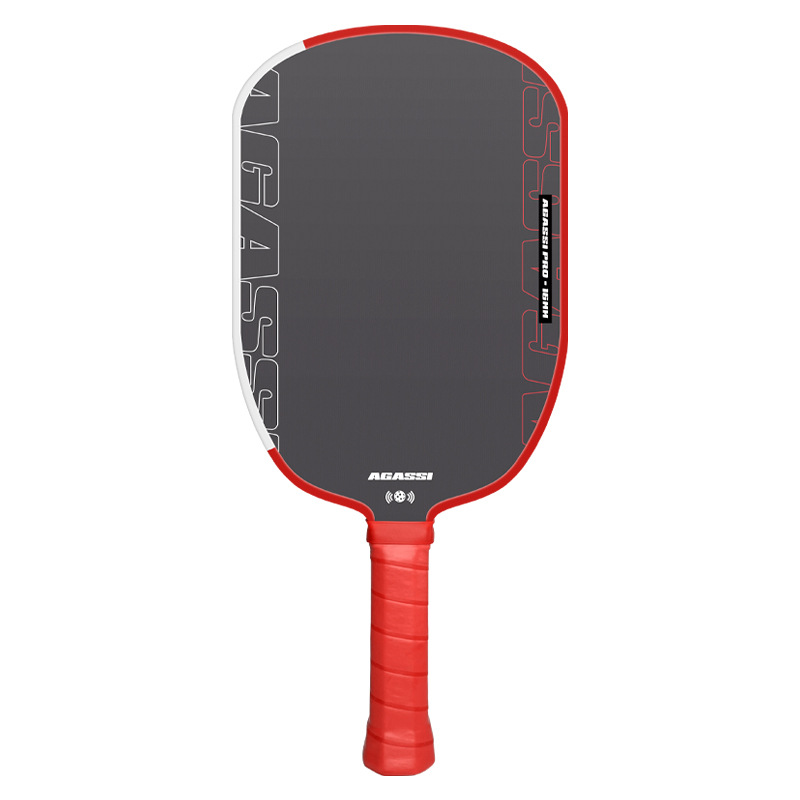
In-depth analysis: Many brands collaborate with factories to produce multiple paddles based on the same Generic Mold or similar technology platform. This means that a $90 paddle from an unknown brand might be almost identical in core structure, materials, and manufacturing process to a $200 signature paddle from a professional player. Professional players sometimes even customize their paddles to their individual needs, making them not entirely the same as the commercially available versions. For ordinary players, the performance improvement from pursuing a signature paddle is negligible; it’s more about psychological satisfaction.
Fact: Price range does not necessarily reflect quality. Players should choose paddles based on their personal playing style, not just price.
VIII. Summary: A no-nonsense alternative (find your “Honest” paddle)
Okay, we’ve delved into seven common marketing traps in the Pickleball paddle market. By avoiding these pitfalls, you’ll find that you don’t have many choices left, but each one is more authentic and trustworthy.
So, what kind of paddle do you really need?
What you need is an Honest Paddle.
This means:
- No painted texture: Utilizes genuine T700 Raw Carbon Fiber surface for a durable and natural spin capability.
- No random holes: It has a solid and complete sweet spot, providing a consistent feel and sufficient structural strength.
- No fancy name: the core uses industry-standard polymer honeycomb, providing a balance of power and control.
- No celebrity tax: By adopting a direct-to-consumer (DTC) model, the savings in marketing costs are directly passed on to consumers, providing excellent value for money.
That’s why we created [SalePickleballPaddles ]
We understand players’ pain points and your desire for true performance. Therefore, we’ve removed all the flashy gimmicks, retaining only the physical performance needed to win, enjoy the game, and protect your body. We believe the best paddle isn’t the most expensive, nor the most advertised, but the most honest paddle that best meets your actual needs.
Ready to find the perfect “Honest” paddle for you? Explore [ our top picks ]and experience pure pickleball fun!


About Jason Simmons
Jason S. Simmons has been obsessively dissecting racket sports equipment for over a decade. After transitioning from competitive tennis to Pickleball in 2020, Jason realized the market was flooded with confusing marketing jargon and overpriced gear.
His Mission: To help players—especially seniors and those recovering from Lateral Epicondylitis (Tennis Elbow)—find the perfect paddle setup that balances power, control, and health.
Why Trust Jason?
- Material Science Geek: He doesn't just play; he analyzes. From the weave patterns of Toray T700 Raw Carbon Fiber to the density of Polypropylene Honeycomb Cores, Jason understands the physics behind the "pop."
- Data-Driven Testing: Jason has play-tested over 50+ models, evaluating them on Swing Weight, Twist Weight, and Dwell Time rather than just subjective "feel."
- On the Court: Based in the US, Jason actively competes in regional 4.5+ level leagues. When he isn't drilling his third-shot drops, he is likely inspecting paddles for Core Crushing or Delamination issues.
Jason believes that "A dead paddle kills your game," and is dedicated to teaching players how to maintain their grit surface for peak performance.
View all posts by Jason Simmons